
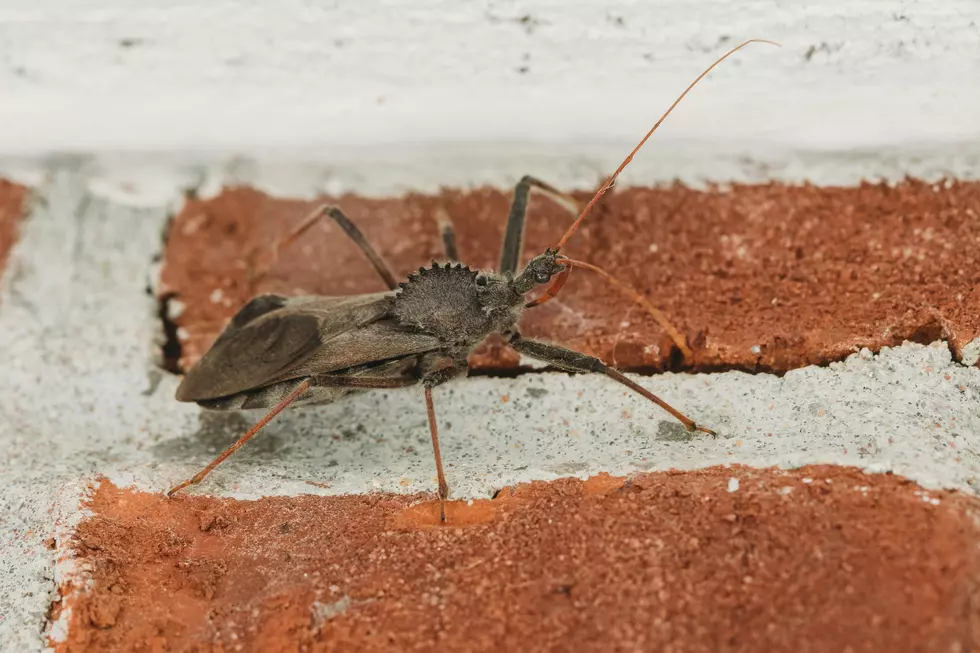
The Dangerous “Kissing Bug” Is Showing Up Far More Often In Central Texas
I don’t know if it’s just Central Texas, but that’s the area I live in, and I’ve seen more kissing bugs than I’ve wanted to see. At first, I thought maybe it was just my backyard. Maybe I was simply having an issue with a dangerous pest. But the more I speak with residents, the more they tell me they’re seeing kissing bugs more often as well. Now, with a name like “kissing bug,” you’d probably think to yourself that it’s something adorable or something that comes across as loving. But it’s the complete opposite.
Why Is The "Kissing Bug" Considered So Dangerous?
The kissing bug can carry a parasite called Trypanosoma cruzi, which can cause Chagas disease. While it’s uncommon for Texans to contract Chagas disease, the possibility of infection is still there. Chagas disease is an infection caused by the parasite Trypanosoma cruzi. It can spread when a person comes into contact with the feces of an infected kissing bug, particularly if the feces enter through broken skin or come into contact with the eyes or another mucous membrane.
What Symptoms Should Texans Look For?
If you experience symptoms such as fatigue, headaches, swollen lymph nodes, a rash, vomiting, diarrhea, swelling around the eyelid, or a fever after a possible exposure, you should speak with a doctor. Sometimes these symptoms can seem like the flu, but they can also be associated with Chagas disease. This is not something you should take lightly. If you see a kissing bug, don’t handle it with your bare hands. If possible, safely contain it for identification and contact a medical professional if you believe you may have been exposed. Chagas disease can cause serious complications, including digestive problems and potentially severe heart problems, particularly if the infection becomes chronic.
These 25 US Cities Are Crawling With Bed Bugs
Gallery Credit: Sweet Lenny
10 Weirdest Bugs You’ll Find in Maine and What to Know About Them
Gallery Credit: Lizzy Snyder